
Amphetamine Addiction: Treatment and Recovery Options
Key Takeaways
- Amphetamine recovery centers on behavioral interventions like contingency management, CBT, motivational interviewing, and community reinforcement, since no FDA-approved medication exists for amphetamine use disorder 13.
- Co-occurring conditions such as ADHD, depression, anxiety, or PTSD often drive stimulant use, so integrated dual-diagnosis care produces better outcomes than treating each condition separately 8, 13.
- Progress is not strictly abstinence; reducing use from high to low frequency cut craving by 60%, drug-seeking by 41%, and depression severity by 40% 14.
- Match the care level to housing stability, psychiatric severity, and prior treatment history, and plan for prolonged post-acute withdrawal by building sleep, nutrition, activity, and supportive social routines 13, 7.
Understanding Stimulant Recovery
Recovery from stimulant addiction, particularly amphetamines, presents unique challenges compared to alcohol or opioid dependence. There is no specific detox medication to ease withdrawal, nor is there an FDA-approved medication for amphetamine use disorder 13. Effective recovery primarily focuses on behavioral changes, environmental adjustments, and addressing underlying mental health conditions such as depression, anxiety, ADHD, or PTSD.
While this approach might seem more demanding, it empowers individuals by focusing on actionable strategies. Evidence-based treatments include contingency management, cognitive behavioral therapy, motivational interviewing, and community reinforcement, often integrated with mental health care when co-occurring conditions are present 13, 7. Although some medications are used off-label as adjuncts, behavioral interventions form the core of effective treatment 13.
Recent research also highlights the significance of harm reduction. A 2024 NIDA analysis indicated that individuals who reduced their stimulant use, even without achieving full abstinence, experienced substantial decreases in craving and depression 14. This reframes the concept of progress, acknowledging that incremental improvements are valuable steps in recovery.
The Importance of Dual-Diagnosis Treatment
Many individuals who develop stimulant use disorder have pre-existing mental health conditions. These might include undiagnosed or improperly managed ADHD, depression, anxiety, or PTSD. Stimulants can temporarily alleviate symptoms of these conditions, creating a cycle where the drug becomes a coping mechanism.
This co-occurrence is not a secondary issue but often central to the addiction. Stimulant use and untreated mental health conditions can exacerbate each other, making abstinence-only approaches insufficient. Relapse often occurs not from a lack of willpower, but because the underlying mental health issues resurface once stimulant use ceases.
Research consistently demonstrates that treating mental health and substance use disorders concurrently yields better outcomes than addressing them separately 8. When both conditions are present, they contribute to overall distress, necessitating an integrated approach 9. The ASAM/AAAP guideline advocates for integrated assessment and treatment whenever a co-occurring psychiatric condition is suspected 13.
In practice, integrated care means a single treatment team addresses both mental health and substance use. This avoids the common pitfall of mental health professionals deferring treatment until sobriety is achieved, or addiction counselors being unable to address psychiatric symptoms. It ensures that evaluations for conditions like ADHD or trauma therapy are not postponed, even when stimulant use disorder is present. This stage-matched care, motivational counseling, family education, and sustained support are foundational elements 9.
Challenging the notion that one condition must be “fixed” before the other is crucial, as the split-system approach often reflects funding models rather than evidence-based best practices 8.
Amphetamine Withdrawal: A Prolonged Process
A common misconception about amphetamine withdrawal is that its most severe effects are short-lived. While the acute “crash” phase, characterized by intense fatigue, hunger, and mood swings, typically lasts a few days, the full withdrawal process is significantly longer and often catches individuals unprepared.
During the initial three to ten days, individuals may experience profound sleepiness, increased appetite, body aches, and severe mood depression. Paranoia and negative thoughts can also intensify, underscoring the need for robust support during this period 7.
Following the acute phase, post-acute withdrawal (PAWS) can persist for weeks or even months. This stage is often marked by anhedonia—a diminished ability to experience pleasure—making daily activities feel dull and unrewarding. Cognitive functions like thinking speed and memory can also be impaired. Cravings may emerge in waves, triggered by environmental cues or emotional states 7.
These prolonged symptoms are a physiological response as the brain recalibrates its dopamine system, which has become accustomed to external stimulation. Recognizing this process is vital for planning recovery. The post-acute phase is a critical period where individuals are vulnerable to relapse due to persistent discomfort and the temptation to self-medicate. The ASAM/AAAP guideline emphasizes withdrawal management as an ongoing process, not a singular event, precisely because of the risks during these extended weeks 13.
Allowing ample time for recovery and maintaining consistent support systems are essential for navigating this extended period successfully.
Evolving Risks in the Drug Supply
The landscape of drug use has changed dramatically, particularly concerning the risks associated with amphetamines. The current drug supply is significantly more dangerous than in previous years, a factor that impacts both occasional and regular users.
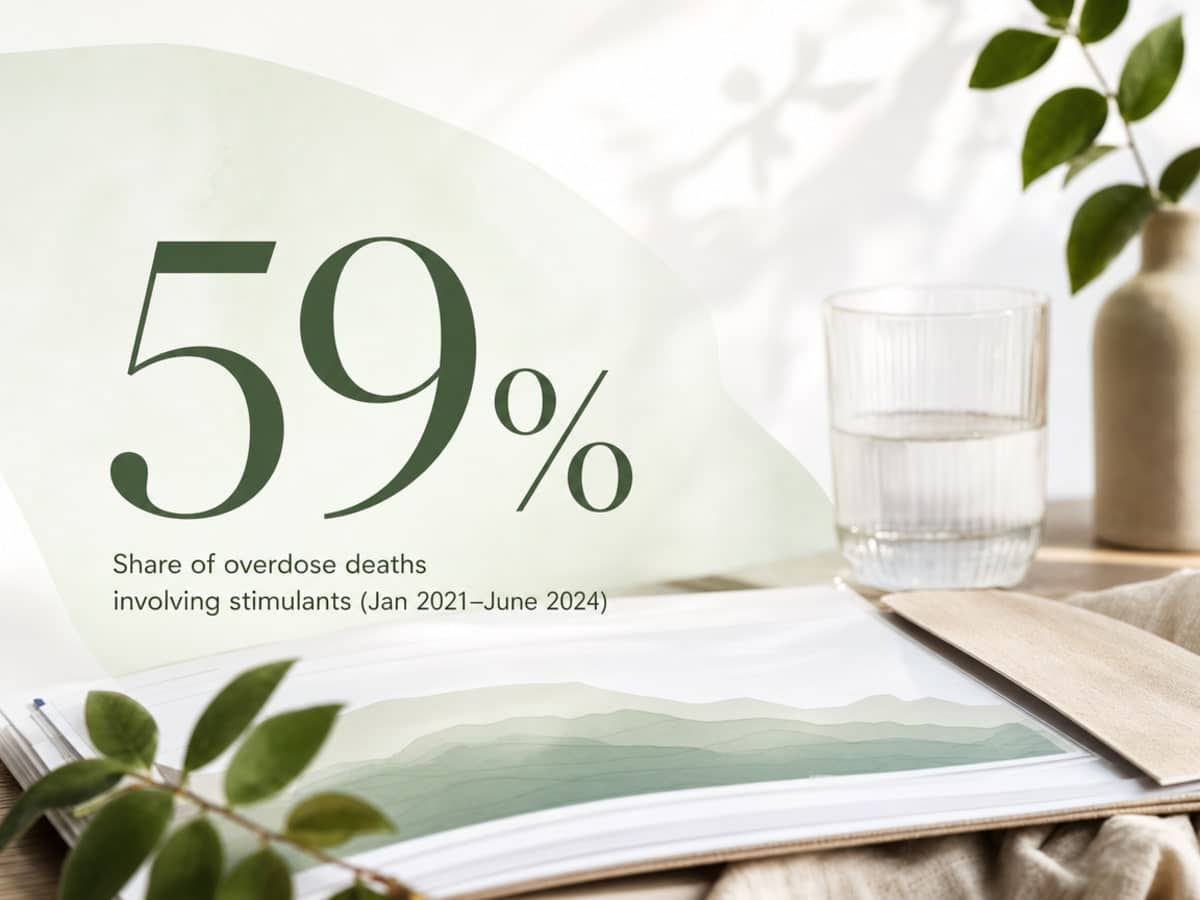
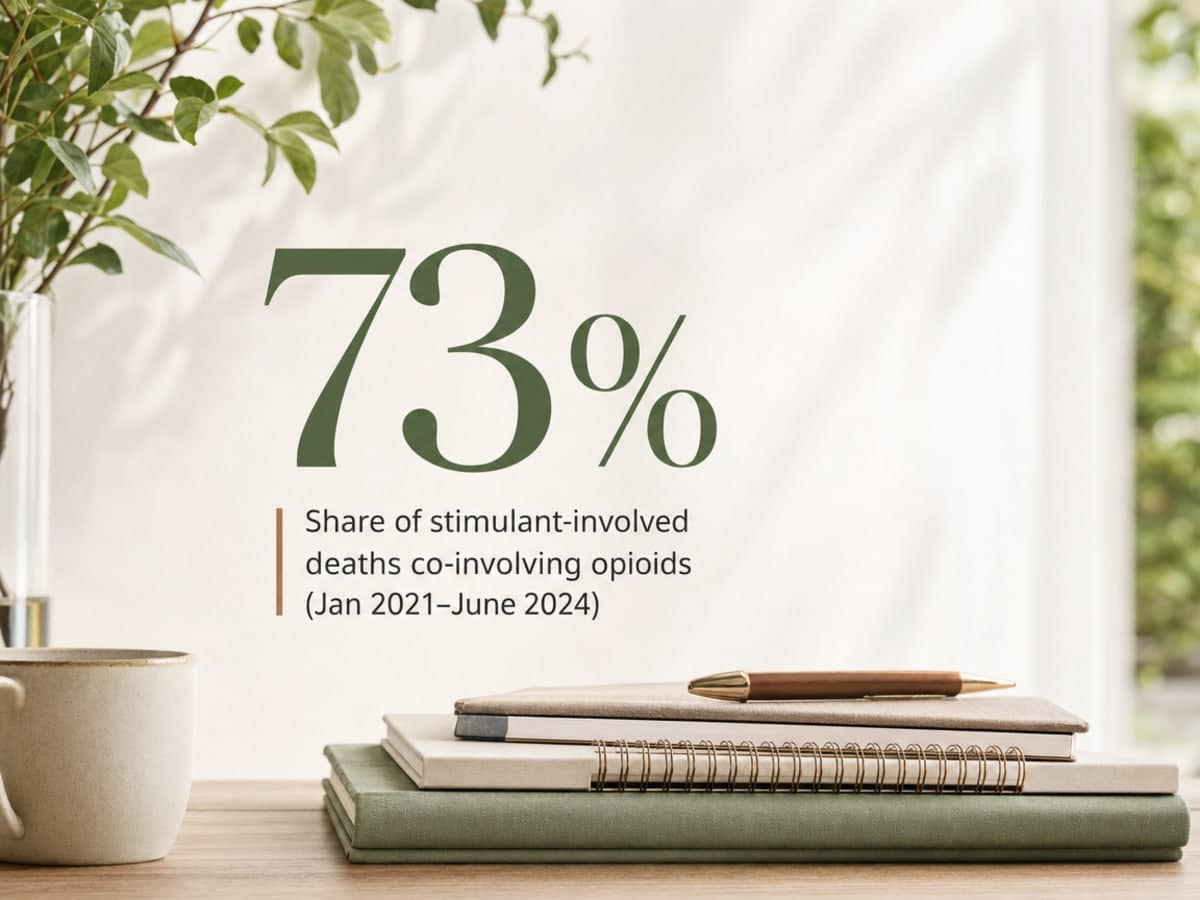
Between January 2021 and June 2024, stimulants were implicated in 59.0% of U.S. overdose deaths. Alarmingly, 43.1% of these deaths involved both stimulants and opioids 2. This statistic highlights a critical danger: nearly half of stimulant-related overdose fatalities also involved an opioid, often fentanyl, which users may not have known was present. Fentanyl is increasingly found in counterfeit pills sold as Adderall, in methamphetamine, and in other illicit substances, making a single use far riskier than in the past.
This information is intended to inform about current risks, not to induce shame, which can hinder individuals from seeking help. The current environment means that even a single instance of use carries unprecedented dangers. Furthermore, after a period of abstinence, an individual’s tolerance decreases, increasing the risk of overdose if they resume using at previous levels 5.
Effective Treatment Modalities
Contingency Management: A Proven Behavioral Approach
Contingency management (CM) is the behavioral treatment with the strongest evidence base for stimulant use disorder. This approach rewards individuals with tangible incentives, such as gift cards or vouchers, for submitting drug-negative urine screens. Rewards typically increase with sustained abstinence and reset upon relapse.
Despite its seemingly simple mechanism, CM is highly effective. The ASAM/AAAP guideline identifies it as having the strongest empirical support among psychosocial interventions for stimulant use disorder 13. Early randomized trials demonstrated that participants in CM programs achieved more drug-negative samples and maintained abstinence longer than those receiving standard care 10. Subsequent research has consistently upheld its efficacy 7.
CM’s effectiveness stems from its ability to counteract the rapid, predictable rewards associated with stimulant use. Stimulants flood the dopamine system, conditioning the brain to expect immediate gratification. CM provides consistent, real-world rewards for desired behaviors, helping to retrain the brain’s reward pathways until internal motivation develops.
If a treatment program does not offer CM, it is worth inquiring why. Its implementation challenges often relate to funding and outdated reimbursement policies, rather than clinical ineffectiveness. The evidence supporting its role in helping individuals achieve and maintain sobriety is clear 13.
CBT, Motivational Interviewing, and Community Reinforcement
Alongside contingency management, cognitive behavioral therapy (CBT), motivational interviewing (MI), and community reinforcement approaches (CRA) are critical components of effective stimulant addiction treatment. Most comprehensive programs integrate these therapies.
- Cognitive Behavioral Therapy (CBT)
- Helps individuals identify and modify thought patterns and behaviors that lead to stimulant use. It teaches strategies to interrupt the chain of events from triggers to cravings to use, offering alternative coping mechanisms. CBT also addresses cognitive distortions, such as the belief that one cannot function without stimulants.
- Motivational Interviewing (MI)
- Focuses on resolving ambivalence about change. Recognizing that individuals often have mixed feelings about stopping stimulant use, MI employs a non-confrontational approach. It encourages self-reflection through open-ended questions, allowing individuals to articulate their own reasons for change, which strengthens their commitment to recovery.
- Community Reinforcement Approaches (CRA)
- Broadens the scope of treatment beyond drug use itself. CRA helps individuals rebuild positive life areas that may have been neglected due to addiction, such as employment, relationships, hobbies, and healthy routines. The premise is that a fulfilling life provides strong incentives for maintaining abstinence 7.
These therapies, particularly when combined with contingency management, form the foundation of evidence-based care recommended by guidelines like those from ASAM/AAAP 13.
Medication-Assisted Treatment: Current Landscape
It is important to clarify that there are currently no medications specifically approved by the FDA for amphetamine or methamphetamine use disorder 13. Any pharmacological intervention offered by a clinician is considered off-label, meaning it is approved for other conditions but used because it may offer some benefit in stimulant recovery.
Modafinil, a wakefulness-promoting agent, was once considered promising for alleviating cognitive fog and fatigue during early recovery. However, a systematic review found no significant impact on stimulant use, treatment retention, or craving 3.
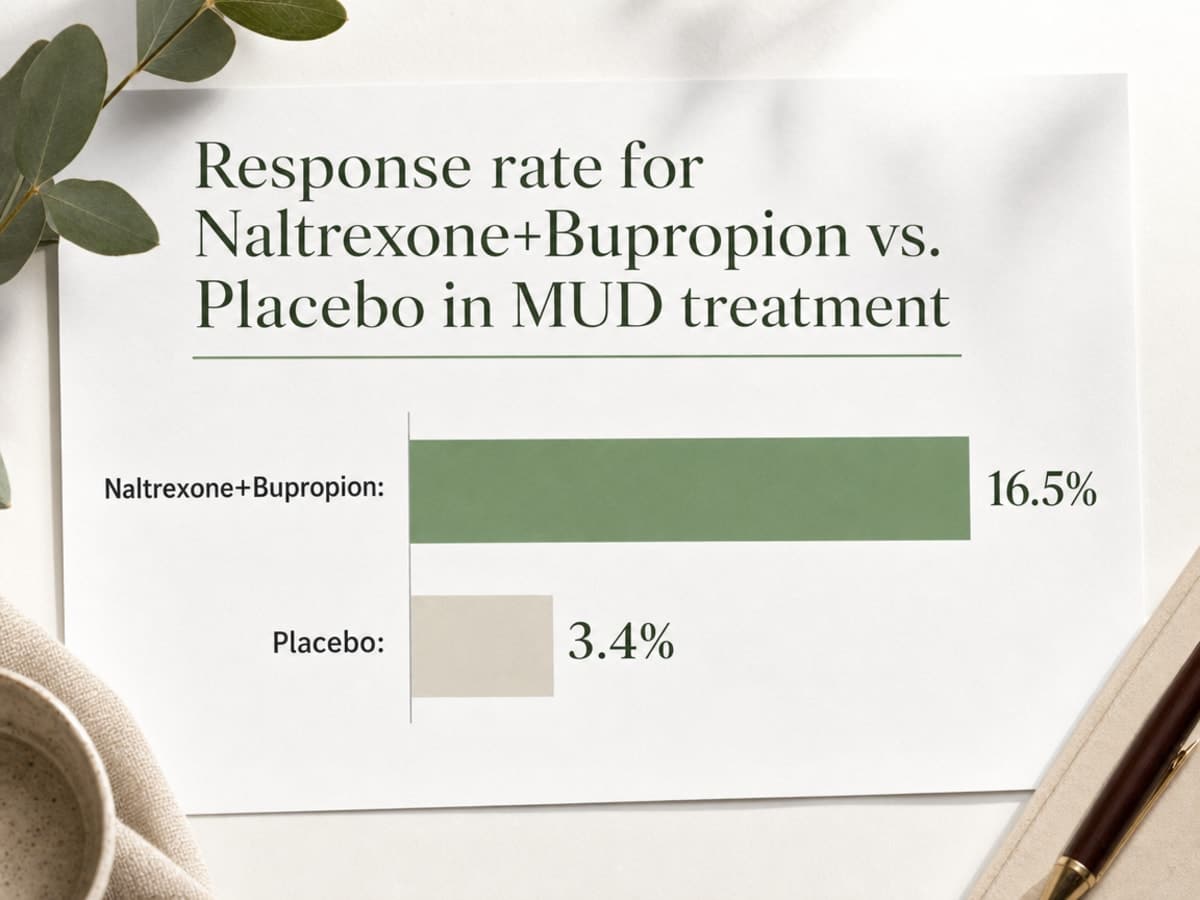
A notable development is a Phase III NIH trial investigating injectable naltrexone combined with oral bupropion for methamphetamine use disorder. This combination showed a modest but real effect, with 16.5% of treated participants meeting response criteria compared to 3.4% in the placebo group 4. While this result is significant enough to influence clinical discussions, it underscores that medication serves as an adjunct to behavioral therapies, not a replacement.
Other medications, such as mirtazapine, topiramate, and stimulant agonist therapy, receive conditional recommendations in guidelines, supported by modest evidence 13. A 2024 network meta-analysis of 72 randomized trials involving 6,836 participants concluded that no intervention demonstrated moderate- or high-certainty evidence for outcomes most important to patients 1. This does not negate the potential benefit of medication for some individuals, but it emphasizes the need for realistic expectations. Medications, when used, function as a supportive tool, with the primary work of recovery remaining centered on behavioral and dual-diagnosis interventions.
Matching Care to Individual Needs
Effective treatment for stimulant use disorder requires matching the level of care to an individual’s specific circumstances, rather than adhering to a standardized approach. Misaligning care levels is a common reason for early treatment dropout. The ASAM/AAAP guideline advocates for individualized care placement, moving away from automatic residential stays and towards what best suits a person’s life and symptoms 13, 7.
Key considerations for determining the appropriate level of care include:
- Housing stability (is the living environment conducive to recovery?)
- Severity of psychiatric symptoms (are there suicidal thoughts, severe paranoia, or psychosis?)
- Past treatment experiences (has outpatient care been insufficient previously?)
These factors provide valuable data for tailoring treatment.
- Residential treatment is appropriate when the home environment is a barrier, withdrawal symptoms are severe, or co-occurring mental health conditions require stabilization.
- Partial hospitalization offers intensive daily clinical care without overnight stays.
- Intensive outpatient programs allow individuals to maintain work or family responsibilities while receiving significant structured support.
- Standard outpatient care and recovery support are suitable for those with stable living situations, some period of sobriety, and a life being rebuilt around recovery efforts.
Regardless of the starting point, movement between care levels is expected. Recovery is a continuum, and adjusting the level of support as circumstances change is a designed part of the process, not a sign of failure 13.
Redefining Progress: Beyond Abstinence
Historically, success in stimulant addiction treatment was often narrowly defined by complete and continuous abstinence. Any deviation from this, even a single slip, was frequently labeled a failure, potentially discouraging individuals from continuing treatment.
However, contemporary research offers a more nuanced understanding of progress. A 2024 NIDA analysis, pooling data from 13 randomized clinical trials, examined outcomes for individuals with stimulant use disorders who reduced their use without achieving full abstinence. The findings were significant: reducing use from high frequency (five or more days a month) to low frequency (one to four days) was associated with approximately a 60% decrease in craving, a 41% reduction in drug-seeking behavior, and a 40% decrease in depression severity 14. Notably, more participants in these trials reduced their frequency of use (18%) than achieved complete abstinence (14%) 14.
These results demonstrate that even partial reductions in stimulant use lead to meaningful clinical improvements, including reduced psychological distress and diminished drug-related urges. This validates that progress is not solely an all-or-nothing endeavor. A 2024 network meta-analysis of 72 trials further supports this perspective, critiquing abstinence-only endpoints for overlooking important harm-reduction gains 1.
While abstinence can remain a personal goal, recognizing and valuing incremental reductions in use is crucial for maintaining motivation and engagement in recovery. A slip does not negate all prior progress; continued engagement with treatment and support remains vital.
Building a Life Beyond Stimulants
Sustaining recovery involves more than just stopping stimulant use; it requires actively building a life that fulfills the needs the drug once met. Stimulants often provide perceived benefits like increased energy, focus, social ease, or a way to cope with boredom or emotional numbness. If these underlying needs are not addressed, the void left by discontinuing drug use can become a powerful trigger for relapse. This process, known in community reinforcement as rebuilding a “competing repertoire,” is an integral part of evidence-based care 7.
Starting with basic physical well-being is fundamental. Establishing consistent sleep patterns, regular nutritious meals, and incorporating physical activity, such as a daily walk, helps the brain’s dopamine system recover naturally without reliance on external substances 7.
Equally important is establishing a supportive social network. This could involve connecting with a trusted individual who understands your journey, attending support groups, engaging with a peer specialist, or seeking guidance from friends in recovery. Resources like SAMHSA’s National Helpline offer free, confidential support and can connect individuals to local treatment and support services 6.
It is important to acknowledge that the initial phases of building a new life may not immediately feel rewarding, especially during post-acute withdrawal. This “gap” between reduced pleasure and the emergence of new satisfactions is normal. Persistence and continued engagement with supportive activities are key during this period, as consistent effort eventually leads to a more fulfilling life without stimulants.
Connect Now for Judgment-Free Recovery Support
Talk directly to a specialist for immediate guidance on starting your amphetamine addiction recovery journey.
Start Your Personalized Amphetamine Recovery Conversation Today
Connect with a compassionate specialist to explore recovery options tailored to your unique amphetamine challenges.
Frequently Asked Questions
How long does amphetamine withdrawal actually last?
The acute crash phase of amphetamine withdrawal typically lasts three to ten days, characterized by intense sleepiness, hunger, low mood, and body aches. However, post-acute withdrawal (PAWS) can extend for weeks or even months, involving symptoms like anhedonia (diminished pleasure), cognitive fogginess, and fluctuating cravings 7. It is crucial to plan for sustained support beyond the initial acute period.
Is there an FDA-approved medication for amphetamine addiction?
No, there are currently no FDA-approved medications specifically for amphetamine or methamphetamine use disorder 13. While a Phase III NIH trial showed a modest positive signal for injectable naltrexone combined with oral bupropion in methamphetamine use disorder (16.5% response rate vs. 3.4% on placebo) 4, any medication offered by a clinician is off-label and functions best as an adjunct to behavioral therapies.
What is contingency management, and does it really work?
Contingency management (CM) is a behavioral therapy that provides tangible rewards, such as gift cards or vouchers, for drug-negative urine screens, with rewards increasing for sustained abstinence. It is highly effective; the ASAM/AAAP guideline identifies CM as the psychosocial intervention with the strongest empirical support for stimulant use disorder 13. Randomized trials have demonstrated that CM participants achieve longer periods of abstinence compared to those receiving usual care 10.
Do I have to be completely abstinent for treatment to count as working?
No, complete abstinence is not the only measure of successful treatment. A 2024 NIDA analysis of 13 randomized trials found that reducing stimulant use from high frequency (five or more days a month) to low frequency (one to four days) was associated with significant improvements, including a 60% drop in craving, a 41% drop in drug-seeking behavior, and a 40% drop in depression severity 14. While abstinence can be a goal, reducing use is recognized as a meaningful clinical change.
Why does treating depression, ADHD, or PTSD matter for stimulant recovery?
Treating co-occurring mental health conditions like depression, ADHD, or PTSD is crucial because these conditions often underlie and drive stimulant use. When mental health and substance use disorders coexist, they exacerbate each other, and addressing one while ignoring the other is often ineffective 9. Integrated care, which simultaneously treats both conditions with a coordinated team, leads to better outcomes than sequential or separate treatments 8, 13.
Do I need residential treatment, or can outpatient care work?
The appropriate level of care depends on individual circumstances. Residential treatment is recommended when the living environment is unsafe, withdrawal symptoms are severe, or psychiatric conditions require stabilization. Partial hospitalization and intensive outpatient programs offer structured care while allowing individuals to maintain daily responsibilities. The ASAM/AAAP guideline emphasizes matching the level of care to individual needs and adjusting it as circumstances evolve 13.
References
- Management of Amphetamine and Methamphetamine Use Disorders: A Systematic Review and Network Meta-analysis of Randomized Trials. https://pmc.ncbi.nlm.nih.gov/articles/PMC12698752/
- Drug Overdose Deaths Involving Stimulants ― United States, January 2021–June 2024. https://www.cdc.gov/mmwr/volumes/74/wr/mm7432a1.htm
- Limitations and Future Directions in Pharmacological Treatment for Amphetamine-Type Stimulant Use Disorder. https://pmc.ncbi.nlm.nih.gov/articles/PMC11748372/
- Combination treatment for methamphetamine use disorder shows promise in NIH study. https://www.nih.gov/news-events/news-releases/combination-treatment-methamphetamine-use-disorder-shows-promise-nih-study
- Stimulants | Overdose Prevention – CDC. https://www.cdc.gov/overdose-prevention/about/stimulant-overdose.html
- National Helpline for Mental Health, Drug, Alcohol Issues – SAMHSA. https://www.samhsa.gov/find-help/helplines/national-helpline
- Treatment for Stimulant Use Disorders: Updated 2021. https://www.ncbi.nlm.nih.gov/books/NBK576541/
- Integrating Treatment for Co-Occurring Mental Health Conditions. https://pmc.ncbi.nlm.nih.gov/articles/PMC6799972/
- Integrated Dual Disorder Treatment (IDDT): Clinical Guide. https://case.edu/socialwork/centerforebp/sites/default/files/2021-03/iddtclinicalguide.pdf
- Contingency management for the treatment of methamphetamine dependence. https://pubmed.ncbi.nlm.nih.gov/17074952/
- Drug Overdose Deaths Involving Stimulants – United States, January 2018-June 2024. https://pubmed.ncbi.nlm.nih.gov/40875496/
- Drug Overdose Deaths in the United States, 2023–2024 – CDC. https://www.cdc.gov/nchs/products/databriefs/db549.htm
- The ASAM/AAAP Clinical Practice Guideline on the Management of Stimulant Use Disorder. https://pmc.ncbi.nlm.nih.gov/articles/PMC11105801/
- Reduced drug use is a meaningful treatment outcome for people with stimulant use disorder. https://nida.nih.gov/news-events/news-releases/2024/01/reduced-drug-use-is-a-meaningful-treatment-outcome-for-people-with-stimulant-use-disorder