
When Does an Energy Drink Habit Become an Addiction?
Key Takeaways
- An energy drink habit crosses into addiction when four patterns converge: failed attempts to cut down, real withdrawal, continued use despite harm, and a day organized around the next can 1.
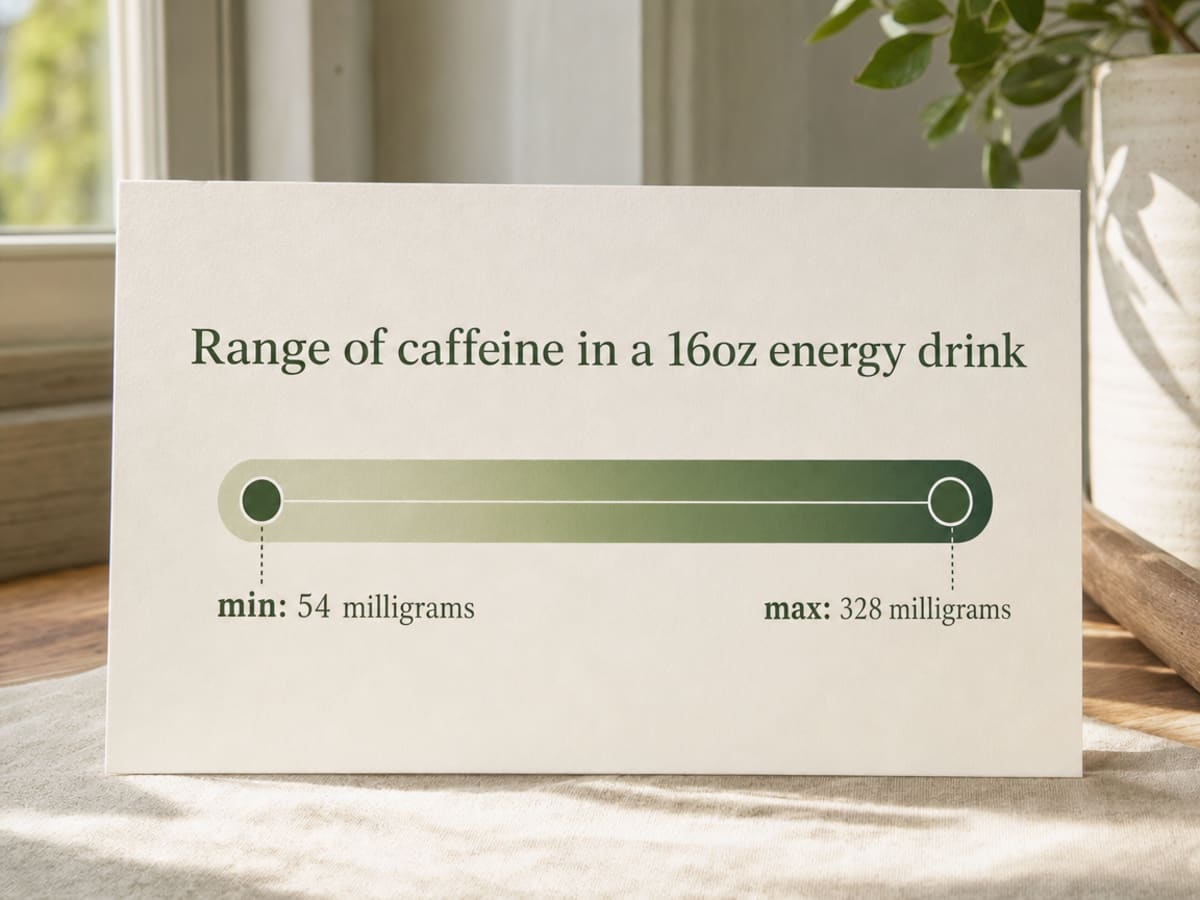
- Dose is genuinely unpredictable — a single 16-ounce can may carry 54 to 328 milligrams of caffeine, making it easy to blow past the FDA’s 400-milligram daily ceiling without knowing 5.
- Heavy use lands hardest on people managing anxiety, depression, PTSD, or another substance use issue, often mimicking or amplifying the very condition they’re trying to treat 4, 8.
- Tapering by roughly 25% a week, moving the last dose earlier, and getting screened for what the caffeine has been covering tends to hold better than quitting cold 1.
The 1 a.m. Question: Habit, Dependence, or Something Else
It’s late. The can is half-empty on the nightstand, the room is too quiet, and your heart is doing that fast, papery thing again. You already know the question before you type it: is this still a habit, or has it turned into something else?
If you’re here, you’ve probably moved past the early reassurances. You’re not asking whether caffeine is bad for you in general. You’re asking about your four-can day, the headache that shows up by 11 a.m. if you skip, the way your anxiety meds feel like they’re working against a rising tide. Maybe you’re asking on behalf of someone younger who stacks energy drinks with vodka on weekends and Adderall on weekdays.
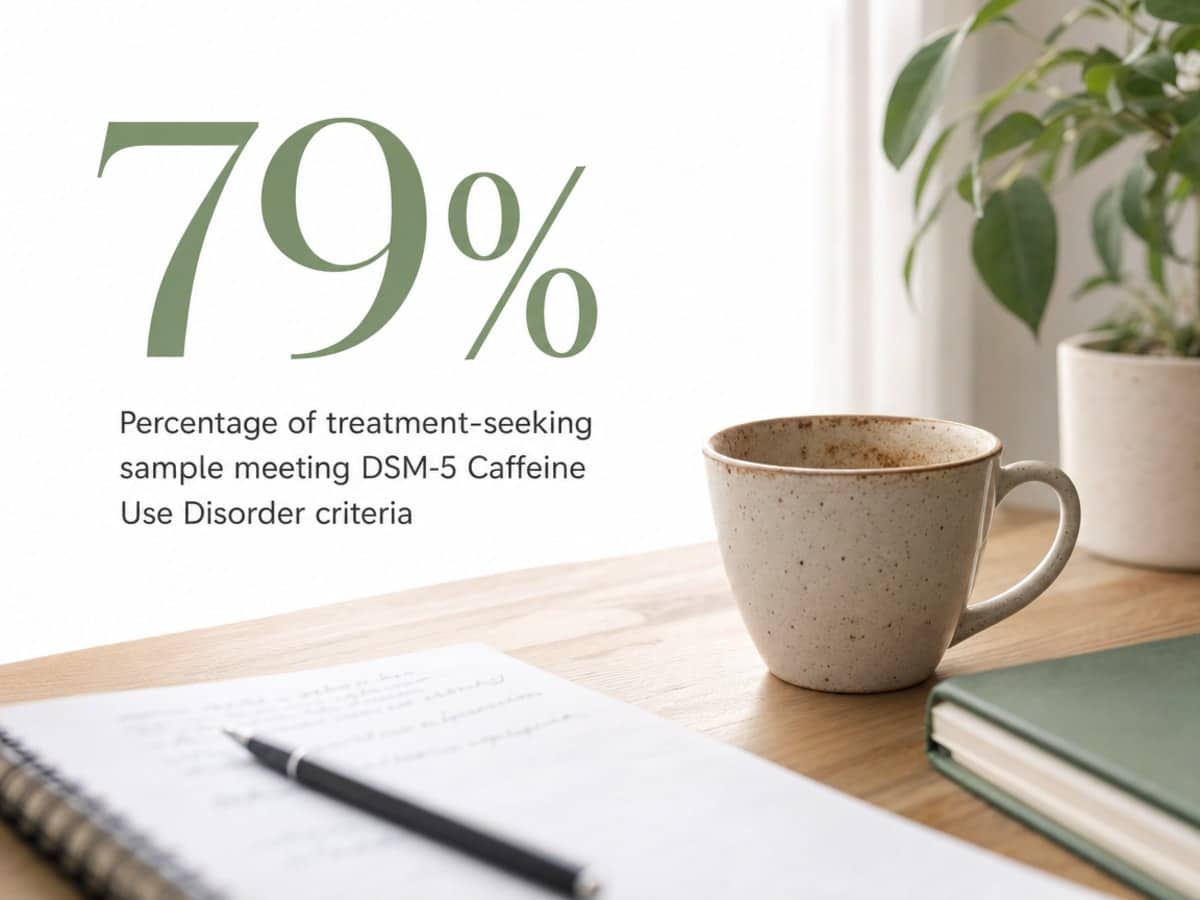
Here’s the honest answer this article will build out: an energy drink habit crosses into addiction when four things show up together — you can’t cut down even when you try, you get real withdrawal when you stop, you keep using despite clear harm, and your day starts bending around the next can. Clinicians have a name for this pattern. It’s called Caffeine Use Disorder, and it’s been formally proposed as a condition worth studying in the DSM-5 1.
That framework matters, especially if you’re already managing anxiety, depression, PTSD, or another substance use issue. What looks like a willpower problem at 1 a.m. is usually something more layered — and more workable — than that.
What Clinicians Actually Mean by Caffeine Use Disorder
The Four DSM-5 Criteria That Define the Line
Here’s the part most articles skip: there is an actual clinical framework for what you’re experiencing. The DSM-5 added caffeine withdrawal as a recognized condition and proposed Caffeine Use Disorder as a diagnosis worth further study, with criteria built around four core patterns 1, 2. You don’t need a clinician to walk through them with you tonight. You just need the same lens they’d use.
- 1. You’ve tried to cut down, and it hasn’t stuck. Not once. Repeatedly. You’ve told yourself “just two today” on Sunday night and opened the third can by Tuesday afternoon. The criterion isn’t about wanting less caffeine in theory — it’s about a persistent desire or unsuccessful effort to reduce that keeps losing to the next can 1.
- 2. You keep using even when it’s clearly costing you something. Your sleep is shredded. Your chest flutters at meetings. Your therapist has mentioned the caffeine three times. You drink it anyway, because the alternative — the headache, the fog, the flat afternoon — feels worse than the cost 1.
- 3. Stopping makes you feel sick. Headache by mid-morning, irritability that snaps at people you love, a fatigue that feels almost flu-like. This is withdrawal, and the DSM-5 now recognizes it as a real syndrome — not weakness, not drama 2.
- 4. Your day bends around the next one. You think about when you’ll have it. You stash backups in the car. You feel a pull — a craving — when you see the cooler at the gas station. Time spent obtaining, using, and recovering from caffeine starts to take up real estate in your life 1.
Clinicians look for these patterns showing up together, not just one bad week. If you read those four and felt a quiet “yes” to most of them, that’s information, not a verdict. It means what you’re experiencing has a name, a framework, and — importantly — a path out that doesn’t depend on white-knuckling it alone.
Why Experts Still Argue About the ‘Harm’ Criterion
You should know the framework isn’t settled, because the honesty matters.
Caffeine Use Disorder sits in the DSM-5 as a proposed condition for further study, not a fully accepted diagnosis 1. The threshold was set deliberately high to avoid pathologizing the average coffee drinker who likes their morning cup 2. That caution is reasonable. Most people who use caffeine daily are not addicted in any clinical sense.
The thorniest piece is the “continued use despite harm” criterion. Experts disagree on what counts as caffeine-related harm in the first place 2. Is a racing heart harm? Is worsening anxiety harm? Is sleep that never quite repairs itself harm? Reasonable clinicians answer differently, partly because caffeine is legal, cheap, and woven into normal adult life in a way that, say, cocaine isn’t.
What this debate doesn’t change: if your use is hurting you — your sleep, your panic, your recovery from something else — that’s harm in the only definition that matters at your kitchen table. You don’t need a panel of researchers to agree before you take your own experience seriously. The framework is a tool. Your lived reality is the data.
Why Energy Drinks Aren’t Just Coffee in a Can
The Dose Problem: 54 to 328 Milligrams of Roulette
Here’s something most people drinking three or four cans a day don’t realize: you don’t actually know how much caffeine you’re taking in. Not really.
A 16-ounce energy drink can contain anywhere from 54 milligrams of caffeine on the low end to 328 milligrams on the high end, depending on the brand and formulation 5. That’s a sixfold spread inside the same can size. Two drinks that look nearly identical on the cooler shelf can deliver radically different stimulant loads — and that’s before you account for the guarana, taurine, and other additives that ride alongside.
The FDA’s framework for adults gives you three numbers worth carrying in your head. Around 200 milligrams of caffeine is where adverse reactions tend to start showing up — the jitters, the racing pulse, the edge in your chest 12. Around 400 milligrams a day is the ceiling generally not associated with negative effects for most healthy adults 5. And around 1,200 milligrams taken rapidly is where toxic effects like seizures can appear 5.
Stacking: Alcohol, Stimulants, and the Mix That Hides the Damage
The other thing that makes energy drinks different from coffee is what people tend to drink them with.
Energy drinks and alcohol get mixed in a way that coffee almost never does. The stimulant masks the sedative — you don’t feel as drunk as you actually are, so you drink more, longer, and faster. Systematic review evidence specifically flags this co-use as a reason to avoid frequent energy drink consumption, alongside the increased odds of insomnia and jitteriness that come with the drinks on their own 9. If you’re in recovery from alcohol use disorder, this combination is worth naming out loud, because the energy drink can quietly become the on-ramp.
Then there’s the prescription stimulant overlap. If you’re managing ADHD with a medication like Adderall or Vyvanse and stacking three or four energy drinks on top, you’re layering stimulants on stimulants. The result can look a lot like anxiety, a lot like panic, a lot like a sleep disorder — and it gets diagnosed and treated as those things, while the real driver sits in your hand.
There’s also the population most likely to be doing this. Adolescents and young adults are the heaviest energy drink users, and reviews link their use to smoking, binge drinking, short sleep, depressive and panic behaviors 8. That’s association, not proven cause — but if you’re a parent watching this pattern in someone you love, the cluster itself is the signal worth taking seriously.
Withdrawal: The Signal Most People Misread
Most people don’t realize they’re in withdrawal. They think they’re getting the flu, or burning out, or finally cracking under stress they’ve been holding for too long. The mid-morning headache feels like a tension headache. The fog feels like depression returning. The irritability feels like a character flaw.
It’s almost never any of those things. It’s caffeine withdrawal, and it’s real enough that the DSM-5 formally recognizes it as a syndrome 2. The pattern usually shows up 12 to 24 hours after your last can, peaks in the next day or two, and can stretch out for a week or more if your daily intake has been high. Headache leads the list. Then comes fatigue that feels heavier than ordinary tiredness, low mood, difficulty concentrating, and a kind of flat irritability that surprises the people around you 1.
Here’s why this misread matters so much: if you don’t know what you’re feeling, you treat it wrong. You reach for another can to make the headache go away — which works, instantly — and you take that relief as evidence that you need the caffeine to function. You don’t. You need it to stop withdrawing from the caffeine you already had. That’s a different problem with a different solution.
The flip side is just as important. The presence of real withdrawal is one of the clearest signals that your relationship with energy drinks has moved past habit into physiologic dependence — a pattern long documented in the toxicology literature on chronic high-dose caffeine use 11. It doesn’t automatically mean you have a disorder. It does mean your body has adapted, and any honest plan to cut back has to account for that adaptation instead of pretending willpower will carry you through a week of headaches.
The Dual Diagnosis Layer: Anxiety, Depression, PTSD, and Sleep
How Caffeine Feeds the Condition You’re Trying to Manage
If you’re already managing anxiety, depression, PTSD, or a sleep disorder, energy drinks aren’t a neutral input. They land on a nervous system that’s already working overtime, and they often look like they’re helping right up until the moment they aren’t.
Start with anxiety. The same physiology that makes caffeine effective — increased heart rate, sharpened attention, a flood of alertness — is almost indistinguishable from the physiology of a panic attack. NCCIH names this directly: large amounts of caffeine can drive heart rhythm disturbances and rises in heart rate and blood pressure, and caffeine use is associated with anxiety and sleep problems 4. If your therapist is helping you learn that a racing heart isn’t dangerous, and then you pour 300 milligrams of caffeine into that same heart at 8 a.m., you’re undoing the work before the day starts.
Depression is sneakier. Energy drinks can lift a flat morning so reliably that you start to mistake the lift for treatment. The crash that follows — heavy fatigue, low mood, irritability — looks like your depression returning, and the obvious fix is another can. You’re not treating the depression. You’re treating the come-down from the last can, and the underlying mood disorder keeps quietly losing ground.
PTSD adds another layer. Hypervigilance is already part of the condition. Caffeine amplifies it. Sleep is already fragile. Caffeine fragments it further. Reviews of adolescent and young adult use have linked heavy energy drink consumption with short sleep duration and depressive and panic behaviors — associations, not proven cause, but a cluster worth taking seriously when it shows up in someone you love 8. For trauma survivors, the cost of a wrecked sleep cycle isn’t just tiredness. It’s the loss of the one window where the nervous system gets to settle.
When Recovery From Something Else Runs Through the Energy Drink
If you’re in recovery from alcohol, opioids, stimulants, or another substance, energy drinks deserve more attention than they usually get.
The simplest reason: caffeine is the one psychoactive substance still legal, cheap, and socially encouraged. When everything else comes off the table, what’s left tends to get heavier use. A four-can day in early sobriety isn’t unusual. It also isn’t free. Chronic high-dose caffeine produces physiologic dependence on its own — tachycardia, sleep disruption, and the full withdrawal syndrome when you try to stop — which is well documented in the toxicology literature 11. Trading one dependence for another isn’t recovery. It’s a lateral move that can quietly destabilize the work you’re doing.
For people recovering from alcohol use disorder, the bigger risk is the mixing pattern. Energy drinks blunt the felt experience of intoxication, which is exactly why systematic review evidence flags co-use with alcohol as something to avoid 9. If your relapse pathway has ever involved “I didn’t feel that drunk,” the energy drink is part of that story.
And if you have a co-occurring mental health condition driving the original substance use, the energy drink dependence usually sits on top of that same untreated layer. This is the case for integrated care — addressing the mood disorder, the trauma, and the substance pattern at the same time, rather than peeling them apart and hoping one resolves the others.
Health Costs Beyond the Jitters
The jitters are the part you feel. They’re also the part most people learn to ignore. The costs that matter most for long-term health usually show up quieter, and they accumulate.
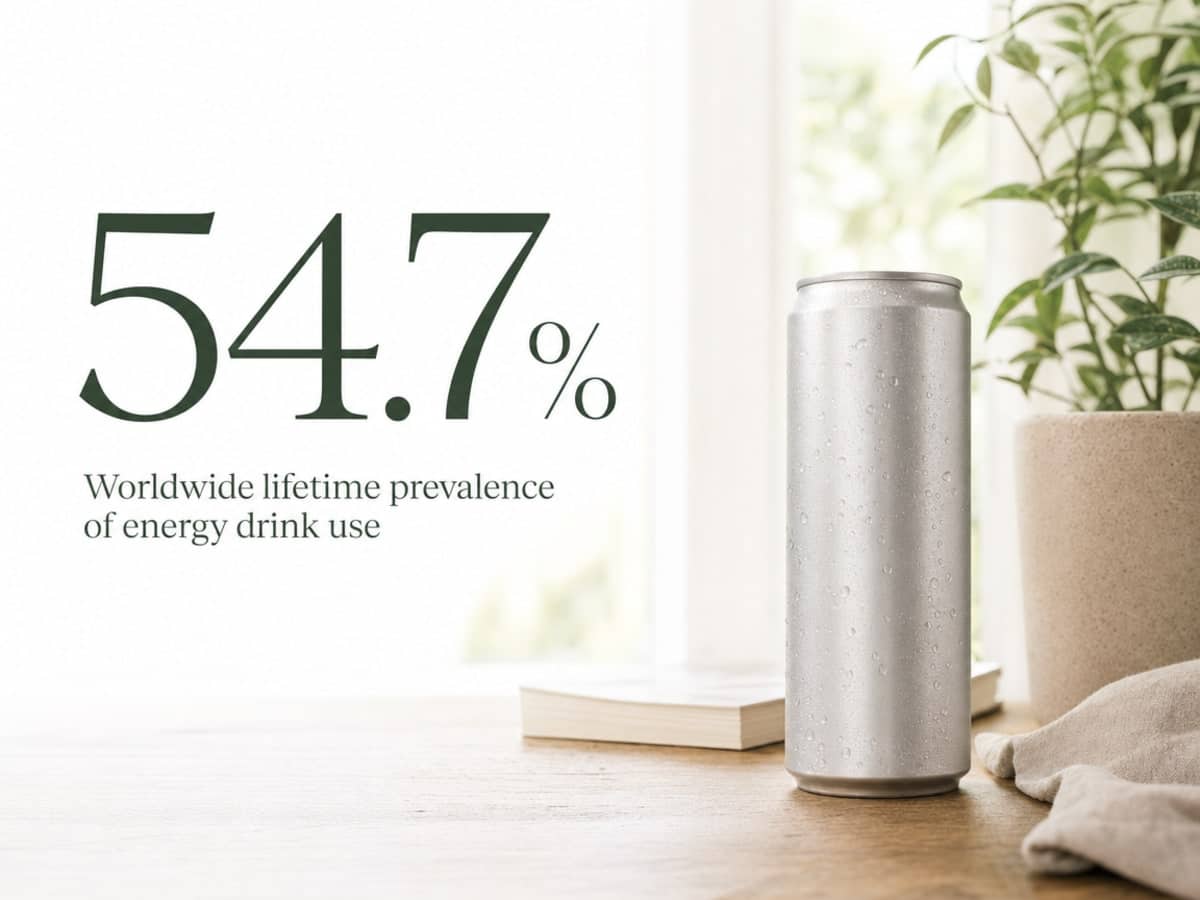
Start with scale, because this isn’t a fringe issue. A 2024 meta-analysis of global energy drink consumption found that 54.7% of people worldwide have used energy drinks at some point, and 8.82% use them daily 7. That second number is the one to sit with. Roughly one in eleven people on the planet is taking in a variable, often high dose of caffeine plus stimulant additives every single day. When harms turn up in the data — even at low individual rates — they translate into a lot of people at the population level.
The cardiovascular column is where the most serious harm shows up. The 2023 review of energy drink health effects documented nine cardiac arrests and three fatal cases linked to consumption, with caffeine identified as the main psychoactive driver 3. Narrative reviews flag malignant arrhythmias and heightened concern in people with long-QT syndrome or other cardiac predispositions — conditions you may not know you have until a stimulant load reveals them 10. The older toxicology literature adds tachycardia, vomiting, arrhythmias, and seizures to the list of acute harms tied to excessive consumption 11.
The neurologic and sleep costs are slower but just as real. Meta-analytic data show increased odds of insomnia and jitteriness with frequent use, and the recommendation that follows is direct: avoid frequent consumption and avoid mixing with alcohol 9. CDC guidance reinforces the same warning signs — insomnia, anxiety, dehydration, heart complications — and flags energy drinks as products adolescents shouldn’t be consuming at all 14.
None of this means one bad afternoon will hurt you. It means that the body you’re asking to run on this fuel every day is keeping a ledger, and the entries you can’t feel are the ones worth taking seriously.
A Path Forward That Doesn’t Pretend This Is Easy
Tapering Without Triggering a Panic Spiral
A slower drop tends to hold. Start by counting what you actually drink for three days without changing anything — milligrams, not cans, since a 16-ounce can can carry anywhere from 54 to 328 milligrams depending on brand 5. Then cut your daily total by roughly 25% each week. If you’re at four cans, that’s three for a week, then two, then one. The headache and irritability that show up are real withdrawal, not relapse of your underlying condition 1. Naming the difference out loud helps.
Move your last dose earlier. Caffeine has a long tail, and the 4 p.m. can is often what’s wrecking your 1 a.m. Hydrate more than feels necessary during the taper week. And if your anxiety meds start working better as you come down, that’s not a coincidence — that’s the load lifting off a system that was being asked to do two opposite jobs at once.
Sleep Repair, Screening, and Integrated Care
Sleep is the first thing to come back, and it comes back slowly. Expect a week or two of nights that feel worse before they feel better — the rebound is real, and it’s not a sign the plan is failing. Protect the basics: a consistent wake time, light in the morning, dim screens at night, no caffeine after noon once you’re stable at a lower dose. The CDC’s warning list for energy drink overuse — insomnia, anxiety, dehydration, heart complications — is also the recovery list in reverse 14. As the inputs change, those symptoms tend to soften.
Get screened for what the caffeine has been covering. Heavy energy drink use frequently sits on top of an untreated anxiety disorder, a depressive episode, ADHD, a trauma history, or a sleep disorder like apnea that the stimulants have been masking. If you’ve been managing two things at once — a substance pattern and a mental health condition — peeling them apart rarely works. Integrated dual diagnosis care treats both at the same time, because the conditions feed each other and a clean recovery from one usually requires real attention to the other.
You don’t have to figure this out alone tonight. If the four signs from earlier sounded familiar, talking to a clinician who handles co-occurring conditions — the kind of integrated work Arrow Passage Recovery is built around — is a reasonable next step.
Reach Out If Energy Drinks Feel Unmanageable
Talk to someone who understands energy drink addiction and next steps for support, any time of day.
Talk With Someone About Your Energy Drink Use
Start a private conversation focused on your relationship with energy drinks and what support can look like for you.
Frequently Asked Questions
How many energy drinks a day is considered an addiction?
There’s no fixed can count that makes it an addiction. What matters is the pattern: can’t cut down, withdrawal when you stop, use despite harm, and your day rearranging around the next one 1. That said, dose is a useful gut-check. The FDA’s general safe ceiling for healthy adults is around 400 milligrams of caffeine a day, and a single 16-ounce can may hold anywhere from 54 to 328 milligrams 5.
What are the withdrawal symptoms when you stop drinking energy drinks?
Headache is usually first, often within 12 to 24 hours. Then comes fatigue heavier than ordinary tiredness, low mood, trouble concentrating, and a flat irritability that surprises people around you 1. The DSM-5 recognizes caffeine withdrawal as a real syndrome, not weakness 2. Symptoms peak in the first day or two and can stretch a week or longer if your daily intake was high.
Is energy drink addiction officially a medical diagnosis?
Not quite — and the honest answer matters. Caffeine Use Disorder is a proposed condition in the DSM-5, listed for further study rather than as a fully accepted diagnosis 1. Caffeine withdrawal, on the other hand, is officially recognized 2. Experts set the threshold high to avoid pathologizing normal coffee drinkers, and they still debate what counts as caffeine-related harm. Your lived experience doesn’t need their consensus to count.
Why are energy drinks harder to quit than coffee?
Three reasons. The dose is unpredictable — a 16-ounce can can carry anywhere from 54 to 328 milligrams of caffeine, so you rarely know your real intake 5. The added stimulants and sugar ride alongside the caffeine. And the co-use patterns are different: energy drinks get mixed with alcohol and prescription stimulants in ways coffee doesn’t, which systematic review evidence specifically warns against 9.
Can energy drinks make anxiety, depression, or PTSD worse?
Yes, and often in ways that look like the underlying condition getting worse. NCCIH notes that large caffeine doses can drive heart rhythm changes, raise heart rate and blood pressure, and are associated with anxiety and sleep problems 4. For panic disorder, the physical sensations overlap almost exactly. For depression, the crash mimics a relapse. For PTSD, the hypervigilance and broken sleep make recovery harder.
What’s the safest way to cut back without crashing?
Taper rather than quit cold. Count your actual milligrams for three days first, since cans vary widely 5. Then cut your daily total by roughly 25% each week, move your last dose earlier in the day, and hydrate generously. Expect a headache and fog — that’s withdrawal, not relapse of your underlying condition 1. If anxiety or depression is in the mix, looping in a clinician makes the taper steadier.
References
- Caffeine Use Disorder: A Comprehensive Review and Research Agenda. https://pmc.ncbi.nlm.nih.gov/articles/PMC3777290/
- Caffeine Use Disorder: A Review of the Evidence and Future Implications. https://pmc.ncbi.nlm.nih.gov/articles/PMC4115451/
- The Dark Side of Energy Drinks: A Comprehensive Review of Their Health Effects. https://pmc.ncbi.nlm.nih.gov/articles/PMC10535526/
- Energy Drinks | NCCIH. https://www.nccih.nih.gov/health/energy-drinks
- Spilling the Beans: How Much Caffeine is Too Much?. https://www.fda.gov/consumers/consumer-updates/spilling-beans-how-much-caffeine-too-much
- The Dark Side of Energy Drinks: A Comprehensive Review of Their Health Effects. https://pubmed.ncbi.nlm.nih.gov/37764707/
- Prevalence of energy drink consumption world-wide. https://pubmed.ncbi.nlm.nih.gov/37967848/
- Consumption of energy drinks by children and young people. https://pubmed.ncbi.nlm.nih.gov/38228408/
- Energy Drinks and Their Adverse Health Effects. https://pubmed.ncbi.nlm.nih.gov/33211984/
- Energy drinks: a narrative review of their physiological and pathological effects. https://pubmed.ncbi.nlm.nih.gov/32369250/
- Toxicity of energy drinks. https://pubmed.ncbi.nlm.nih.gov/22426157/
- Risk of Energy Drink Consumption to Adolescent Health. https://pmc.ncbi.nlm.nih.gov/articles/PMC6311602/
- Health Effects of Energy Drinks on Children, Adolescents, and Young Adults. https://pmc.ncbi.nlm.nih.gov/articles/PMC3065144/
- The Buzz on Energy Drinks. https://www.cdc.gov/school-nutrition/energy-drinks/index.html
- What You Can Do to Limit Exposure to Arsenic and Lead from Juices. https://www.fda.gov/food/environmental-contaminants-food/what-you-can-do-limit-exposure-arsenic-and-lead-juices