
- Assess Your Needs: If you are experiencing hypervigilance, avoidance, or intrusive memories in Cleveland, professional assessment is the first step.
- Choose Your Method: Decide between Prolonged Exposure (facing triggers), CPT (reframing thoughts), or EMDR (rapid processing) based on your comfort level.
- Integrated Care: For those with co-occurring substance use, seek “concurrent care” providers in neighborhoods like Clark-Fulton to treat both simultaneously.
- Immediate Action: Contact FrontLine Service (216-623-6555) or your insurance provider today to verify benefits and schedule an intake.
Understanding PTSD Treatment Cleveland & Northeast Ohio
What PTSD Looks Like in Cleveland
Self-Assessment Checklist:
- Do sirens on Carnegie Avenue or loud noises trigger immediate panic?
- Are you avoiding specific locations like the Shoreway due to past accidents?
- Do you feel emotionally numb or disconnected from family in your neighborhood?
What does PTSD look like in Cleveland? Here, post-traumatic stress disorder isn’t just a clinical term—it’s experienced every day by residents in neighborhoods like Ohio City, Glenville, Collinwood, and Clark-Fulton. The sound of sirens on Carnegie Avenue, reminders of violence or accidents on the Shoreway, or even the daily stress of life near MetroHealth or the West Side Market can trigger symptoms such as nightmares, anxiety, and emotional numbness.
In Slavic Village, many families are familiar with the ripple effects of trauma from community violence, while veterans returning to Old Brooklyn or West Park may struggle with intrusive memories and a sense of isolation. Access to PTSD treatment Cleveland is shaped by local challenges, including a shortage of behavioral health providers, transportation barriers, and economic stressors6. These realities often influence how and when individuals seek care.
Cleveland’s first responders—police, firefighters, and EMTs—face trauma rates six times higher than the general population, with roughly one in three developing PTSD during their careers8.
The opioid crisis has also left lasting emotional scars, particularly in areas like Clark-Fulton and Union-Miles, where trauma and addiction often go hand in hand9. Residents describe feeling on edge or hypervigilant, avoiding certain streets or events, and struggling to reconnect with loved ones after experiencing violence, loss, or serious accidents. For those looking for PTSD treatment Cleveland, recognizing the city’s unique landscape is an essential first step.
Next, we’ll look at who in our region is most affected by PTSD, and why some groups carry a heavier burden than others.
Who’s Most Affected in Our Region
Certain groups in Northeast Ohio face a heavier burden from PTSD, shaped by both local hardship and their roles in the community. Cleveland’s veterans—especially those living in neighborhoods like Old Brooklyn, Detroit-Shoreway, and Kamm’s Corners—are among the most affected. The suicide rate among Ohio veterans rose by 49% between 2010 and 2019, reaching 44.7 deaths per 100,000, a stark reminder of the trauma this group continues to endure4.
First responders, including those based in Downtown, Collinwood, and Mount Pleasant, also experience PTSD at rates six times higher than the general population, with about one in three developing symptoms due to repeated exposure to crisis and violence8. Substance use and trauma often overlap in Cleveland, especially in Clark-Fulton and Union-Miles, where 63% of veterans with a substance use disorder also meet criteria for PTSD1.
Young people in neighborhoods like Glenville and St. Clair–Superior are exposed to community violence and family disruption, putting them at high risk for trauma-related symptoms. Residents who’ve experienced housing instability, loss, or serious accidents—common in areas near major corridors like I-90 and Lorain Avenue—also make up a significant portion of those in need of PTSD treatment Cleveland.
Local organizations and families share stories of resilience: a veteran from Kamm’s Corners credits group therapy at a neighborhood clinic for his recovery, while an EMT from Clark-Fulton found hope after connecting with peer support. As we explore the types of evidence-based therapies available, it’s important to recognize these local realities and the diverse populations seeking help in Cleveland.
Evidence-Based PTSD Treatment Cleveland Options
Prolonged Exposure & Cognitive Processing
Prolonged Exposure (PE) and Cognitive Processing Therapy (CPT) are two of the most trusted therapies for PTSD treatment Cleveland—offered in clinics across Downtown, University Circle, West Park, and Tremont. Both approaches have strong roots in research and are recommended by local leaders in trauma care, including the Cleveland VA and Cleveland Clinic12, 14.
| Therapy Type | Primary Focus | Best For |
|---|---|---|
| Prolonged Exposure (PE) | Gradually confronting trauma memories and avoidance behaviors. | Individuals who avoid specific places (e.g., Shoreway, crowds) due to fear. |
| Cognitive Processing (CPT) | Challenging negative beliefs (guilt, shame) stemming from trauma. | Those struggling with “stuck points” or negative self-talk. |
Prolonged Exposure helps individuals gradually reduce their fear and avoidance by safely confronting trauma memories and reminders in a controlled setting. For Cleveland residents—whether coping with community violence in Glenville or traffic-related trauma along the Shoreway—PE provides a structured way to face distressing memories without feeling overwhelmed. Research shows PE consistently leads to significant reductions in PTSD symptoms for veterans and civilians alike, regardless of the type or era of trauma5.
In local support groups, members from Collinwood and Old Brooklyn have shared how PE allowed them to return to activities and neighborhoods they once avoided. Cognitive Processing Therapy, on the other hand, is built around talking through how trauma has shaped a person’s beliefs about themselves and the world. CPT is especially helpful for those struggling with guilt, shame, or negative self-talk—concerns often voiced by Cleveland’s first responders and veterans.
Studies find CPT is particularly effective at reducing hopelessness and shifting unhelpful thinking patterns that can keep people stuck in the aftermath of trauma7. One client from Tremont described how CPT helped her reconnect with her family and feel safe in her own home again. Both PE and CPT are accessible via major bus lines and are available at several community clinics across the city.
EMDR Therapy: Faster Trauma Resolution
Eye Movement Desensitization and Reprocessing (EMDR) therapy has become a sought-after option for PTSD treatment Cleveland, especially for residents looking for faster and effective relief from trauma. EMDR is available at clinics in neighborhoods such as University Circle, Shaker Square, Lakewood, and Lee-Harvard, making it accessible to those across the east and west sides of the city. This therapy uses guided eye movements or other forms of bilateral stimulation while individuals recall distressing memories in a safe setting.
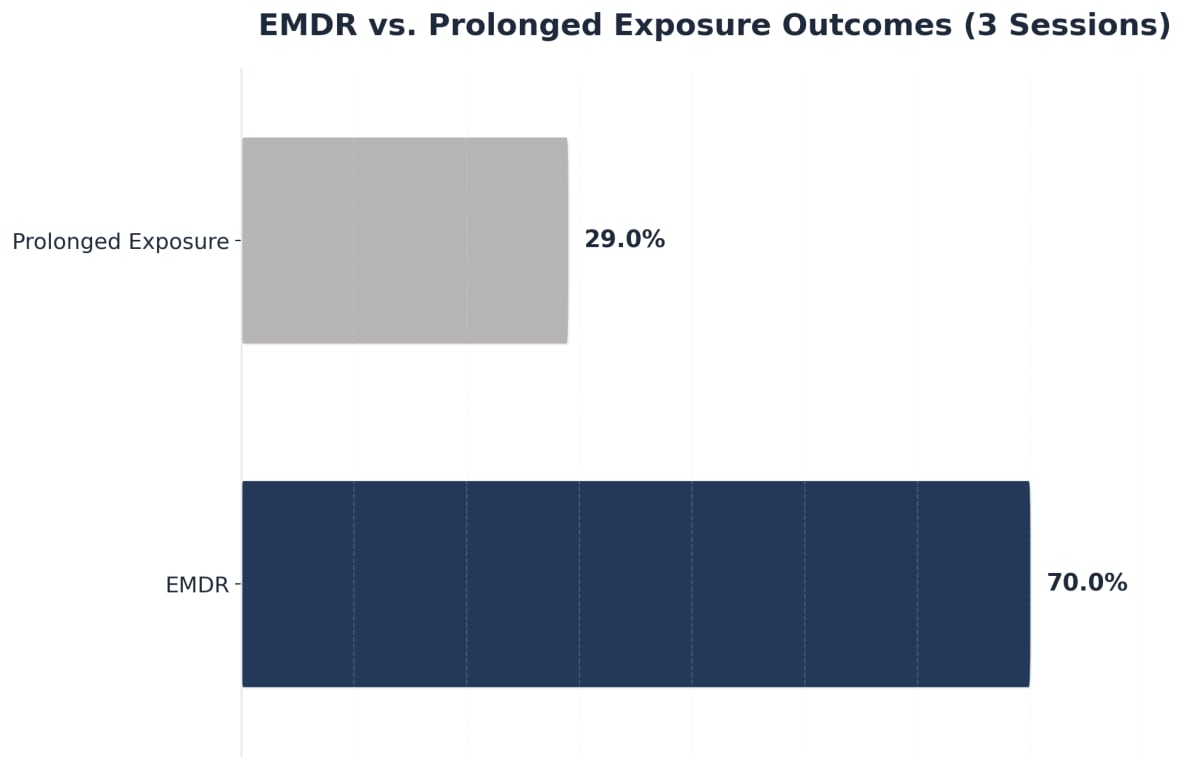
The goal is to help reprocess traumatic memories so they become less emotionally overwhelming and disruptive to daily life. Clevelanders who have found talk therapies challenging often see EMDR as a welcome alternative. Research shows that 70% of EMDR participants achieve good treatment outcomes in just three active sessions, compared to only 29% for prolonged exposure therapy, making EMDR one of the most efficient trauma therapies available2.
Local clinics near the Cleveland Cultural Gardens and along Lorain Avenue report that many clients experience significant reductions in flashbacks and anxiety in just a few weeks. One client from Lakewood shared that after starting EMDR, they could finally ride the RTA again without panic—a breakthrough after years of avoiding public transportation. EMDR’s effectiveness is recognized by leading organizations, including the Department of Veterans Affairs and the World Health Organization2.
Cleveland’s Trauma Treatment Landscape
Cleveland has emerged as a significant hub for trauma-informed care in Ohio, offering residents access to a diverse range of treatment options for post-traumatic stress disorder and related conditions. The city’s trauma treatment landscape reflects both the growing recognition of PTSD as a critical public health concern and the unique needs of Northeast Ohio communities.
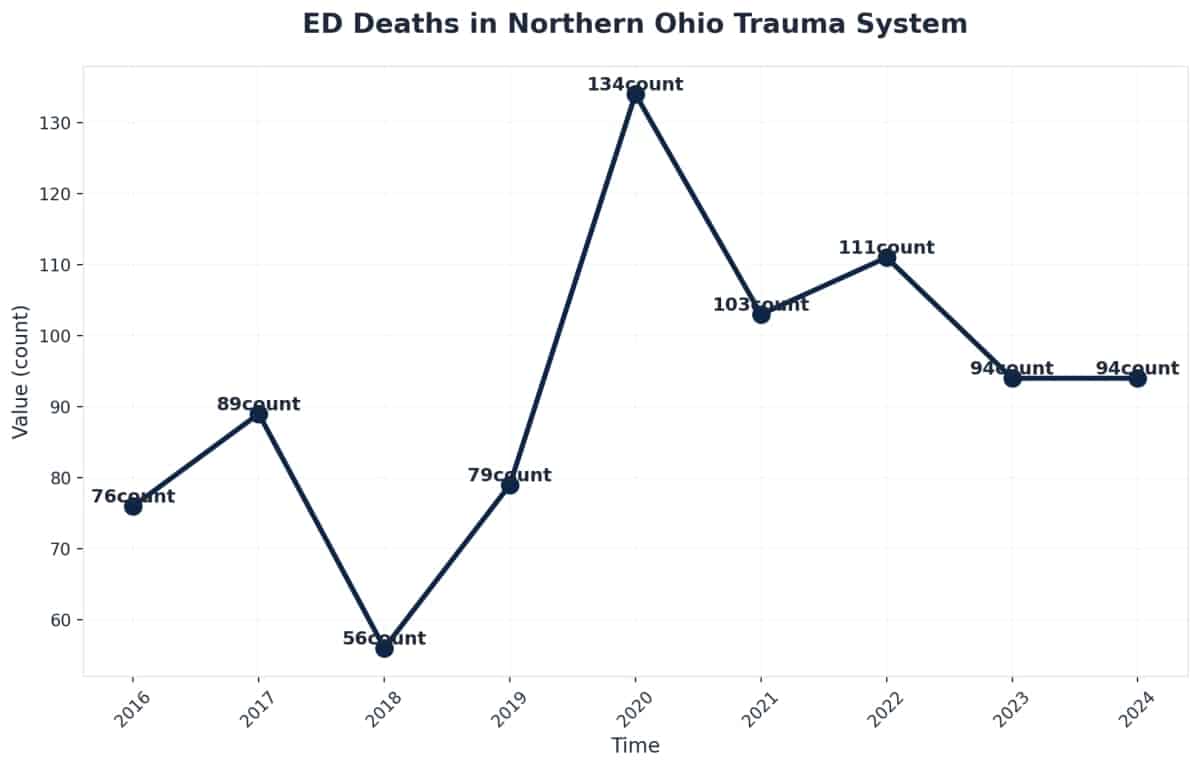
The greater Cleveland area houses numerous specialized facilities dedicated to trauma recovery. These providers employ evidence-based approaches including Cognitive Processing Therapy, Eye Movement Desensitization and Reprocessing, and Prolonged Exposure therapy—treatments that have demonstrated significant effectiveness in reducing PTSD symptoms. Key facility types include:
- Major Hospital Systems: Cleveland Clinic and University Hospitals offer comprehensive clinical care.
- Community Counseling Centers: Neighborhood-based centers providing accessible outpatient therapy.
- Private Practice Groups: Specialized therapists offering tailored one-on-one sessions.
What distinguishes Cleveland’s trauma care ecosystem is its integration of traditional clinical settings with innovative community-based programs. The city’s behavioral healthcare landscape includes dedicated trauma recovery centers, outpatient therapy programs, intensive outpatient options, and specialized services for specific populations such as veterans, first responders, and survivors of interpersonal violence. This variety ensures that individuals experiencing PTSD can find treatment approaches that align with their specific circumstances and preferences.
Ohio’s psychiatric care infrastructure has expanded considerably in recent years, with increased state funding supporting trauma-informed care initiatives throughout the region. This investment has helped reduce wait times for services and improved access to specialized providers trained in trauma treatment modalities. Many Cleveland-area facilities now offer same-day assessments and expedited intake processes for individuals in crisis.
The local treatment landscape also benefits from strong collaborations between healthcare systems, universities, and community organizations. Case Western Reserve University’s research initiatives contribute to advancing trauma treatment methodologies, while partnerships between hospitals and community centers help bridge gaps in care for underserved populations. These connections create a more comprehensive support network for individuals navigating PTSD recovery.
Insurance coverage and payment options vary widely across Cleveland’s trauma treatment providers, with some facilities accepting Medicaid and Medicare while others operate on a private-pay or sliding-scale basis. Many providers participate with major insurance networks common in Ohio, and federally qualified health centers throughout Cuyahoga County offer trauma services regardless of ability to pay. Understanding this landscape helps individuals identify accessible, appropriate care options that fit their financial circumstances and clinical needs.
Integrated Care for PTSD and Addiction
Why Concurrent Treatment Works Better
For people in Cleveland neighborhoods like Clark-Fulton, Collinwood, and Glenville, trauma and substance use often go hand-in-hand. Trying to treat PTSD and substance concerns one at a time—sometimes called “sequential” treatment—used to be the norm. Residents were often told to stop using substances before starting trauma therapy. Now, local clinics near St. Clair–Superior and Kamm’s Corners are embracing a better way: treating PTSD and substance use at the same time, known as integrated or “concurrent” care.
Research shows that when both concerns are addressed together, people are more likely to stick with treatment and see bigger improvements in both trauma symptoms and substance use15. A study found that combining trauma-focused therapy with addiction support led to reduced drug use and lasting relief from PTSD, compared to focusing on just one issue at a time3. This approach is especially important in Cleveland, where 63% of veterans with a substance use issue also experience PTSD, and barriers like transportation and provider shortages make every treatment session count1, 6.
Integrated care means a person can talk about their whole story—whether it started on the Shoreway, at a local bar in Old Brooklyn, or during service overseas—without feeling split between different clinics or providers. For those searching for PTSD treatment Cleveland, concurrent care is giving more residents a real chance at recovery.
Next, we’ll look at the specialized support available for Ohio veterans facing both PTSD and addiction.
Specialized Support for Ohio Veterans
Ohio veterans living in neighborhoods like Kamm’s Corners, Old Brooklyn, and Detroit-Shoreway face unique hurdles when seeking PTSD and addiction support. Local clinics and the Louis Stokes VA Medical Center near University Circle offer specialized programs tailored to military culture—addressing not only trauma but also the specific challenges of reintegrating into civilian life. One important resource is integrated care, where therapy and substance use support are coordinated under one roof, which is especially valuable given that 63% of veterans with a substance use disorder in Ohio also meet criteria for PTSD1.
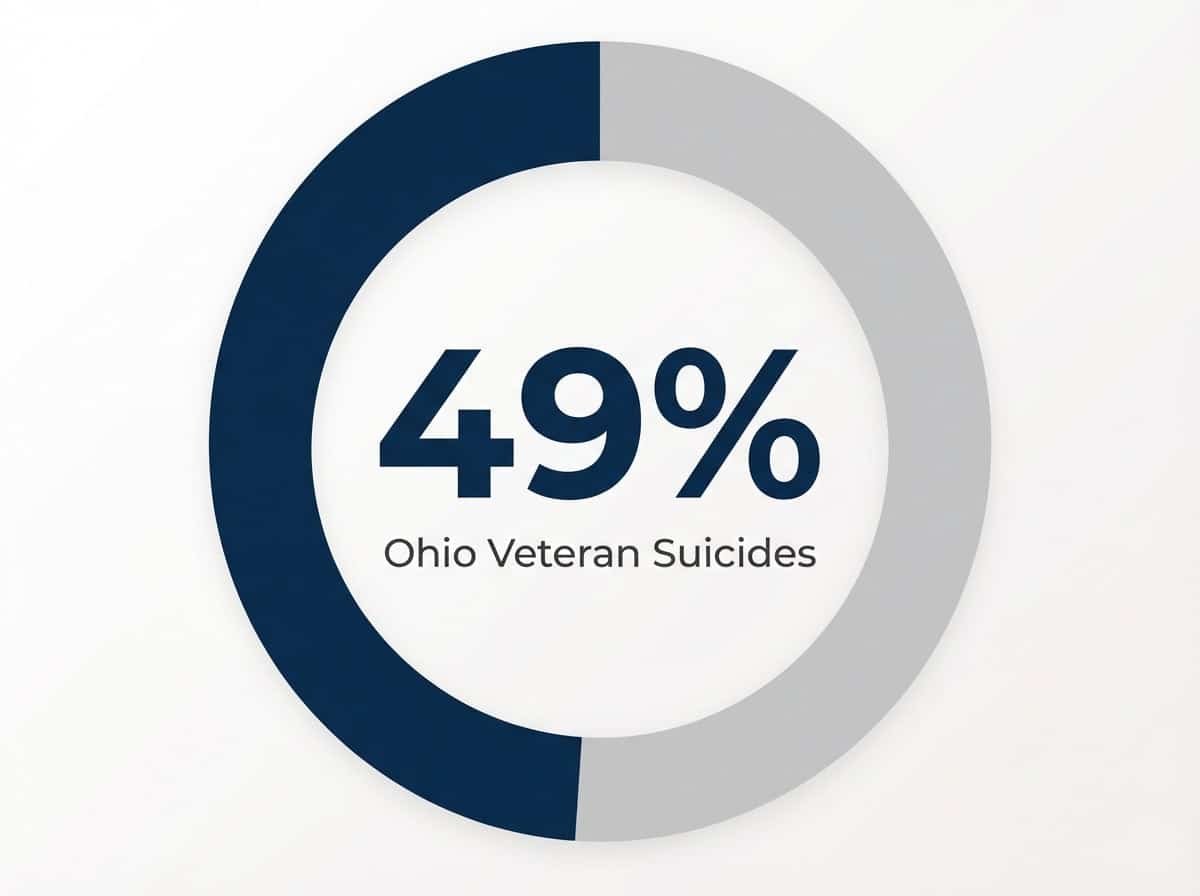
Peer support groups, often facilitated by veterans themselves, meet in community spaces from Collinwood to Lakewood, helping build trust and shared understanding. Telehealth options have also expanded, making it easier for veterans in East Cleveland or Parma who struggle with transportation to connect with trauma-informed providers. A veteran from Detroit-Shoreway shared that joining a group at a local outreach center “made it possible to open up in a way civilian groups never could.” With the suicide rate among Ohio veterans having risen 49% between 2010 and 20194, making PTSD treatment Cleveland accessible and culturally competent is a life-saving priority.
Next, learn how to take the first steps toward care for yourself or a loved one.
Getting Started with PTSD Treatment Cleveland
Taking the first step toward PTSD treatment in Cleveland begins with understanding your options and finding the right support system. Ohio residents have access to numerous pathways for care, starting with a conversation with a primary care physician who can provide initial assessments and referrals to specialized trauma therapists throughout the Greater Cleveland area.
Many individuals find success by contacting local behavioral health centers directly. The FrontLine Service (216-623-6555) offers comprehensive intake coordination and can connect individuals with appropriate providers throughout the Cleveland network. Applewood Centers (216-741-2241) provides trauma-focused services across multiple Cuyahoga County locations, while the Nord Center (440-233-7232) serves the eastern suburbs with specialized PTSD programs. These facilities employ intake coordinators who guide individuals through the process and help determine the most appropriate treatment approach based on symptom severity and personal circumstances.
Most Cleveland-area community mental health centers offer free initial consultations, allowing individuals to ask questions about treatment methods, insurance coverage, and therapy expectations. Private practice therapists and psychiatrists typically do not offer free consultations but may provide brief phone screenings (10-15 minutes) to determine fit. When contacting providers, individuals should have ready: their insurance card, a list of current medications, documentation of any previous mental health treatment, and notes about specific symptoms or triggers they’re experiencing. Most providers respond to initial inquiries within 24-48 hours, with first appointments typically scheduled within 1-2 weeks for non-crisis situations.
For those who prefer immediate support, the OhioMHAS Crisis Text Line (text “4HOPE” to 741741) and the Suicide and Crisis Lifeline (988) provide 24/7 assistance. The Trauma Recovery Center at University Hospitals (216-844-2580) offers walk-in crisis assessments Monday through Friday, 9 AM to 5 PM. Peer support groups throughout Cuyahoga County, including weekly PTSD support meetings at the Cleveland VA Medical Center and community groups facilitated by NAMI Greater Cleveland (216-875-7800), provide valuable resources while waiting for formal treatment to begin. Ohio’s psychiatric care system also includes mobile crisis teams through the Cuyahoga County ADAMHS Board (216-623-6888) that can conduct assessments in comfortable, familiar settings, typically arriving within 2-4 hours of a call.
The step-by-step process typically follows this path:
- Verify Coverage: Contact your insurance provider or a local behavioral health center to understand coverage and available providers.
- Schedule Intake: Book an initial intake appointment, which usually lasts 60-90 minutes and involves discussing symptoms, history, and treatment goals.
- Prepare for Session: Document symptom patterns, identify support systems, and write down questions about treatment options before your first visit.
- Attend Assessment: Go to the intake appointment where a clinician will conduct a comprehensive assessment and recommend a treatment plan.
- Begin Therapy: Start regular therapy sessions, which typically occur weekly initially, then may reduce in frequency as symptoms improve.
The key is simply reaching out—whether through a phone call, online inquiry, or walk-in appointment, Cleveland’s trauma treatment community stands ready to help individuals begin their healing journey with compassion and professional expertise.
Frequently Asked Questions
Do I need to stop using substances before starting PTSD treatment in Cleveland?
No, you do not need to stop using substances before starting PTSD treatment in Cleveland. Many local clinics—including those in Collinwood, Clark-Fulton, and Glenville—now offer integrated care, where trauma-focused therapy and substance use support happen together. Research shows this approach leads to better outcomes for both PTSD and substance concerns, compared to treating them separately or requiring abstinence first 115. Providers in Cleveland understand that waiting to be substance-free can delay much-needed help, so they meet people where they are. When seeking PTSD treatment Cleveland, you can begin therapy even if you’re still working on substance use.
How long does PTSD treatment typically take in Northeast Ohio?
PTSD treatment in Northeast Ohio varies in length based on individual needs, therapy type, and personal goals. Many Clevelanders see noticeable progress in 8 to 12 weekly sessions of evidence-based therapies like Prolonged Exposure or Cognitive Processing Therapy. EMDR therapy, now offered in University Circle, Lakewood, and Shaker Square, can lead to significant improvement for 70% of participants in just three active sessions—much faster than traditional approaches 2. Some people may continue care for several months, especially if they have complex trauma or co-occurring concerns. For those seeking PTSD treatment Cleveland, local providers work with residents to find a pace and timeline that fits their unique situation.
Will my insurance cover PTSD treatment at Cleveland facilities?
Most Cleveland facilities that offer PTSD treatment Cleveland accept a range of insurance plans, including Medicaid, Medicare, and private insurance. Coverage details can differ based on the provider, your specific plan, and the type of therapy—so it’s always best to call ahead or check online. Major hospital systems like Cleveland Clinic and MetroHealth, with locations in Downtown and University Circle, typically help residents verify benefits and navigate any out-of-pocket costs 12. Some community clinics in Collinwood and Buckeye-Shaker also offer sliding-scale fees or financial aid for those without insurance. If you run into coverage issues, city mental health programs can help connect you to alternative resources 18.
Can family members participate in PTSD treatment programs in Cleveland?
Yes, family members are welcome to participate in many PTSD treatment programs across Cleveland, including those in neighborhoods like Buckeye-Shaker, West Park, and Collinwood. Local providers often encourage family involvement, since research shows that including loved ones can improve retention and outcomes in trauma-focused therapy 17. Family members may join certain sessions, attend support groups, or receive education on how best to support their loved one’s recovery. Clinics near MetroHealth and University Circle often offer resources tailored for families, helping them better understand PTSD and communicate more effectively. When seeking PTSD treatment Cleveland, ask your provider about ways to involve your family in the healing process.
Are there telehealth options for PTSD therapy in Ohio?
Yes, telehealth options for PTSD therapy are widely available throughout Ohio, including for Cleveland residents. Many local clinics—such as those based in Midtown, Detroit-Shoreway, and Glenville—now offer secure video sessions for PTSD treatment Cleveland. Telehealth helps address barriers like transportation, busy schedules, or safety concerns, making it easier for people in areas like Buckeye-Shaker and Old Brooklyn to access care from home. Recent research shows that telehealth-delivered PTSD therapy achieves outcomes comparable to traditional in-person sessions, helping more Ohioans get timely support 6. Ask your provider about virtual appointment options when seeking care.
What if I’m not ready for trauma-focused therapy right away?
If you’re not ready for trauma-focused therapy right away, you still have meaningful options for support in Cleveland. Many local clinics—including those in Midtown, Old Brooklyn, and Collinwood—offer skills-based therapies like Stress Inoculation Training (SIT), which teach coping strategies and can help you feel more prepared for future trauma work 10. Research shows that 88% of veterans who start with SIT go on to participate in trauma-focused care when they feel ready, making it a helpful first step 10. You can also explore supportive counseling, peer groups, or mindfulness classes in your neighborhood. When seeking PTSD treatment Cleveland, let your provider know your preferences—they’ll help you find the right starting point.
How do I find a provider in Cleveland who understands first responder or military culture?
To find a provider in Cleveland who truly understands first responder or military culture, look for clinics and therapists with direct experience serving veterans and first responders—especially those affiliated with the Louis Stokes VA Medical Center near University Circle or community clinics in Kamm’s Corners, Collinwood, and Downtown. Many providers in these neighborhoods have specialized training in trauma care for police, firefighters, EMTs, and military personnel, and offer peer-led support groups to foster trust and understanding 8. When searching for PTSD treatment Cleveland, ask about staff backgrounds, cultural competency, and available group programs tailored to these populations. This helps ensure your care reflects the realities of your work and service.
Conclusion
Finding effective PTSD care in Cleveland represents a crucial step toward healing and reclaiming quality of life. The city offers distinct advantages for those seeking trauma treatment: a collaborative network of providers who regularly coordinate care, reduced wait times compared to larger metropolitan areas, diverse treatment options spanning university-affiliated clinics to private practices, and ongoing innovation through Case Western Reserve University’s research programs. These factors combine to create an environment where individuals can access comprehensive, evidence-based care without the barriers common in other regions.
The journey toward recovery looks different for everyone, but Cleveland’s therapeutic landscape provides the resources to support various paths forward. Some individuals find relief through trauma-focused therapies like EMDR or cognitive processing therapy, while others benefit from medication management or group support. Many discover that a combination of approaches works best. The key is connecting with providers who understand post-traumatic stress and can tailor treatment plans to individual needs—exactly what Cleveland’s specialized clinical community offers.
Taking the first step doesn’t need to feel overwhelming—but it doesn’t have to be. At Arrow Passage Recovery, we help individuals heal from PTSD and addiction at the same time, creating the foundation needed for sustainable recovery.
Connect with our multidisciplinary, Ohio team today to get started on your healthier tomorrow.
References
- Substance Use Disorders in Military Veterans. https://pmc.ncbi.nlm.nih.gov/articles/PMC5587184/
- Efficacy – EMDR Institute. https://www.emdr.com/efficacy/
- The Impact of Addiction Medications on Treatment Outcomes. https://pmc.ncbi.nlm.nih.gov/articles/PMC4866634/
- Ohio Veteran Suicide Report. https://dbh.ohio.gov/wps/portal/gov/dbh/get-help/prevention-services/documents/ohio-veteran-suicide-report
- Prolonged Exposure Therapy for Combat-Related PTSD. https://pmc.ncbi.nlm.nih.gov/articles/PMC3427616/
- Workforce Supply and Demand Within Ohio’s Behavioral Health System. https://data.ohio.gov/wps/portal/gov/data/projects/03-mhas-workforce
- Mechanisms of Change in Cognitive Processing Therapy and Prolonged Exposure. https://pmc.ncbi.nlm.nih.gov/articles/PMC3866807/
- Conceptualization, Assessment, and Treatment of Traumatic Stress Among First Responders. https://pmc.ncbi.nlm.nih.gov/articles/PMC6624844/
- Trauma and the Opioid Epidemic in Rural Appalachian Ohio. https://pmc.ncbi.nlm.nih.gov/articles/PMC8276036/
- Stress Inoculation Training Outcomes Among Veterans. https://pubmed.ncbi.nlm.nih.gov/30896224/
- VA National Center for Post-Traumatic Stress Disorder (PTSD). https://www.ptsd.va.gov/index.asp
- Cleveland Clinic – PTSD (Post-Traumatic Stress Disorder): Symptoms & Treatment. https://my.clevelandclinic.org/health/diseases/9545-post-traumatic-stress-disorder-ptsd
- PMC – Treating PTSD: A Review of Evidence-Based Psychotherapy. https://www.ncbi.nlm.nih.gov/pmc/articles/PMC5047000/
- American Psychological Association – Treatments for PTSD. https://www.apa.org/ptsd-guideline/treatments
- PMC – Integrated Treatment of Substance Use and Psychiatric Disorders. https://www.ncbi.nlm.nih.gov/pmc/articles/PMC3051486/
- VA National Center for PTSD – How Common is PTSD in Veterans?. https://www.ptsd.va.gov/understand/common/common_veterans.asp
- JAMA Network Open – Retention in Individual Trauma-Focused Treatment Following Family Therapy. https://jamanetwork.com/journals/jamanetworkopen/fullarticle/2798950
- City of Cleveland Ohio – Mental Health & Crisis Intervention. https://www.clevelandohio.gov/CityofCleveland/Home/Government/CityAgencies/PublicSafety/MentalHealth
- Ohio Data – Workforce Supply and Demand within Ohio’s Behavioral Health System. https://data.ohio.gov/wps/portal/gov/data/story/workforce-supply-and-demand